
DIY Appliance Fixes: What You Can Do Before Calling a Professional
QS
Home appliances are essential to our daily lives, but when they malfunction, it can be tempting to immediately call a professional. However, many common issues can be resolved with some simple DIY fixes. This not only saves time but also money. Here are some practical steps you can take before reaching out to a professional.
Common Issues with Refrigerators
Refrigerators can experience a range of problems, but many have straightforward solutions. If your fridge isn't cooling properly, the first step is to check the thermostat settings. Ensure it is set to the appropriate temperature, usually between 37-40 degrees Fahrenheit.
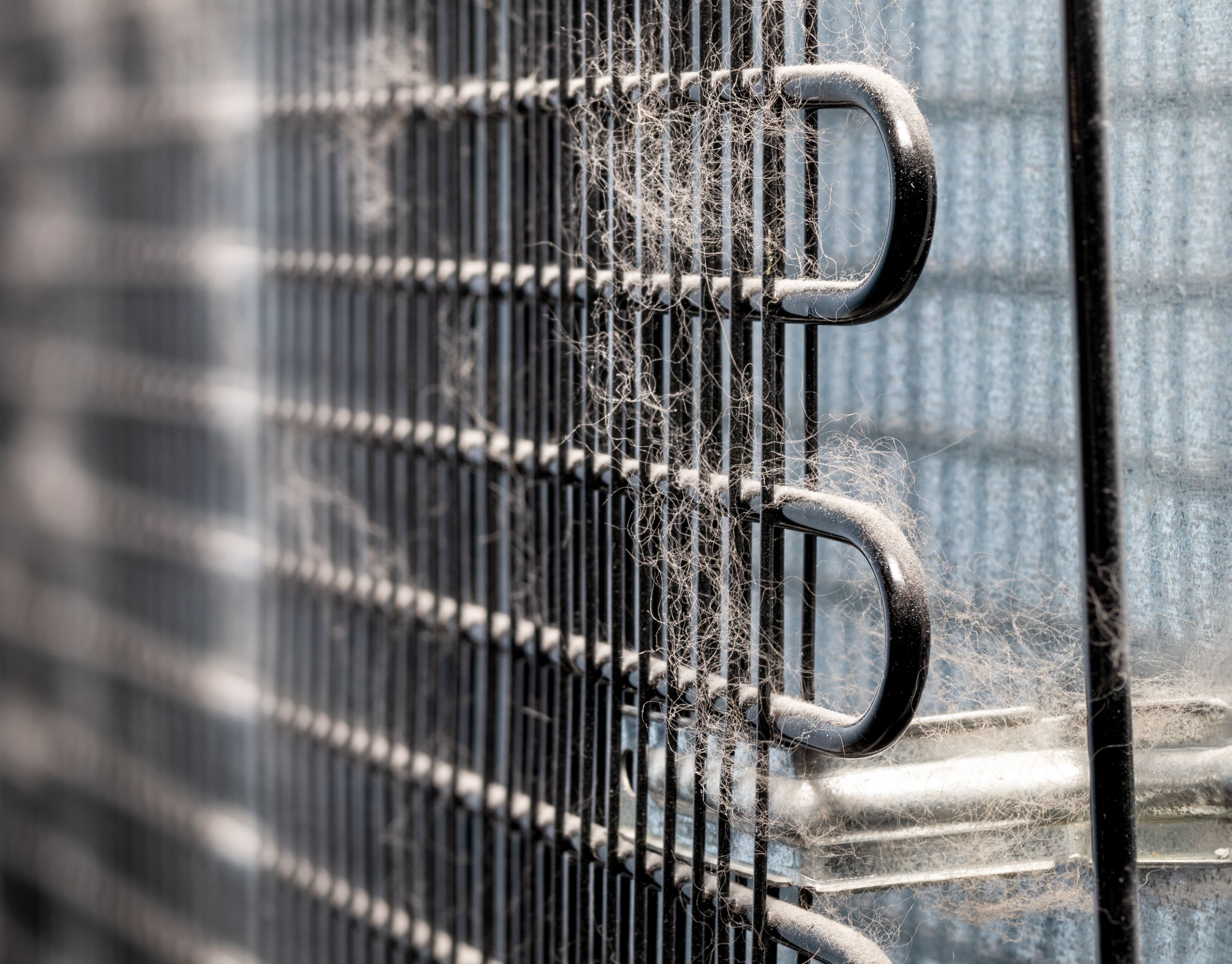
Next, inspect the condenser coils. Over time, these coils can become clogged with dust and debris, reducing efficiency. Cleaning them with a vacuum or a coil brush can often resolve cooling issues. Remember to unplug the refrigerator before cleaning.
Dealing with Washing Machines
Washing machines can present problems such as not draining or spinning. If your machine won’t drain, check the drain hose for clogs or kinks. Ensure it is positioned correctly to allow water to flow freely.
If the washer isn't spinning, it might be due to an unbalanced load. Redistribute the clothes evenly in the drum and try again. Additionally, check the lid switch. If it's defective, it can prevent the machine from entering the spin cycle.
Oven Troubleshooting Tips
If your oven isn't heating properly, the issue might be with the heating element. Inspect the element for any visible damage or breaks. Replacing a faulty element is usually straightforward and can be done with basic tools.
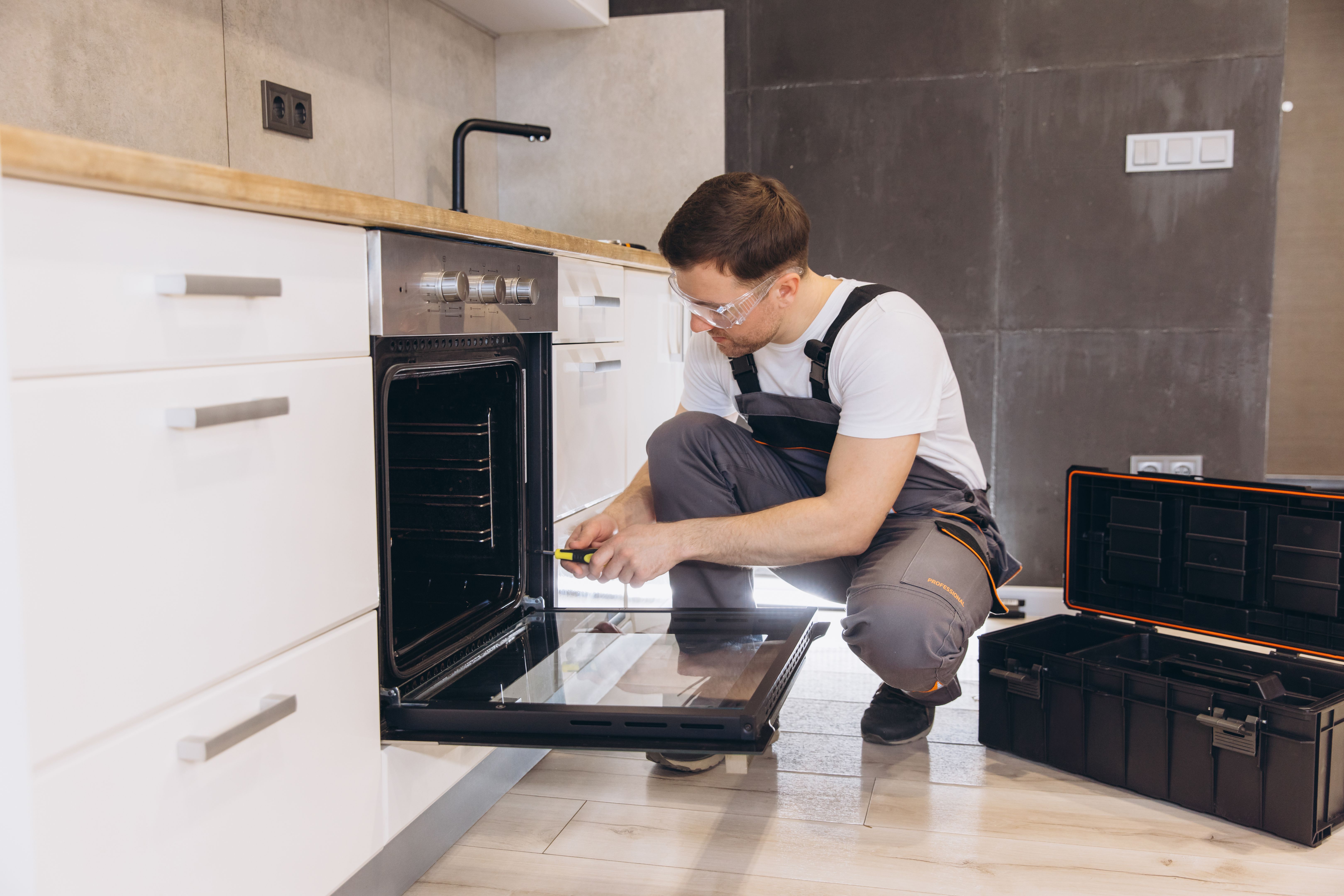
Another common problem is inaccurate temperature settings. Use an oven thermometer to verify the internal temperature. If there’s a discrepancy, recalibrate the oven according to the manufacturer's instructions found in the manual.
Fixing Dishwasher Problems
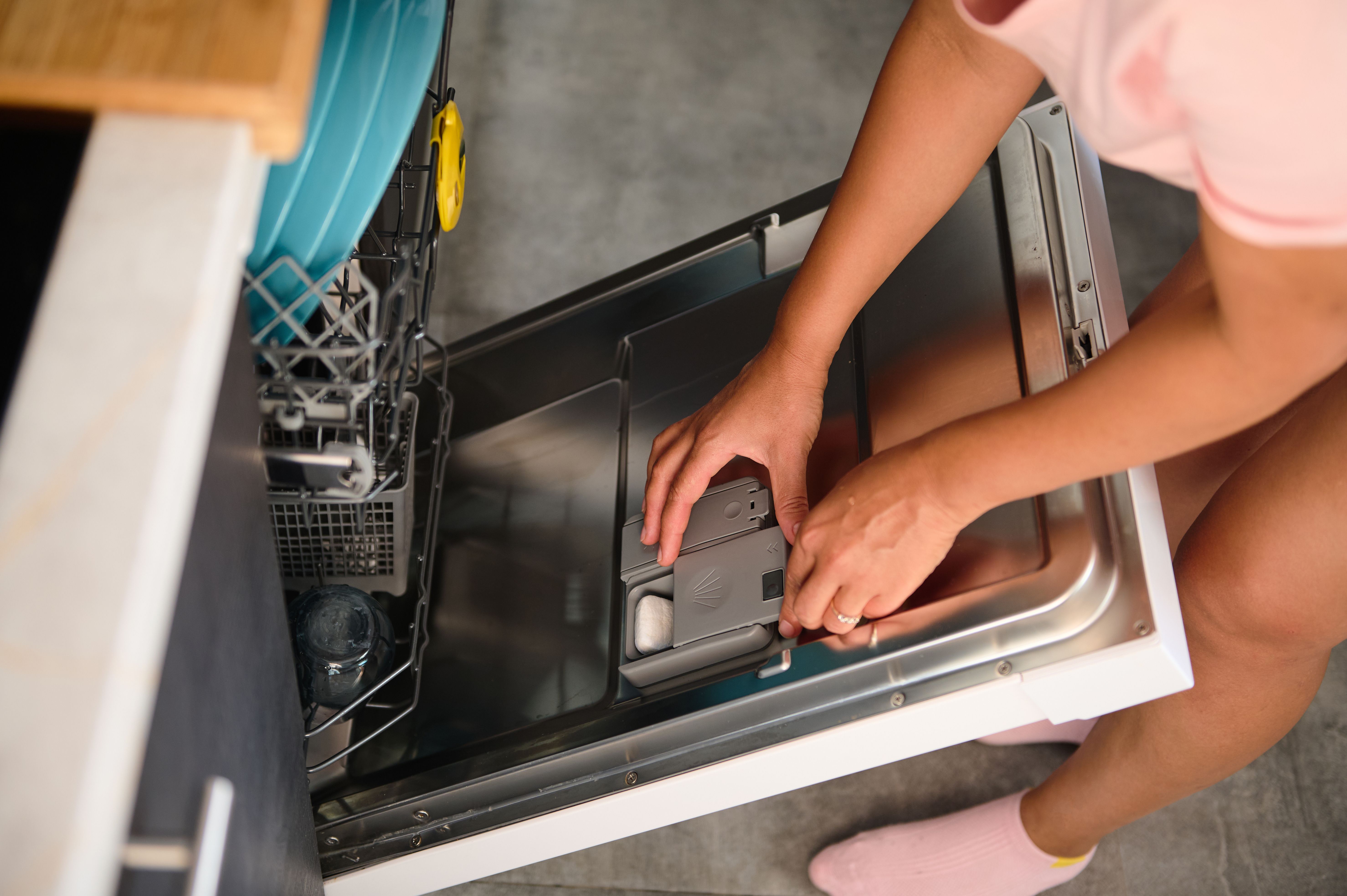
Dishwashers can sometimes leave dishes dirty or fail to drain. Begin by checking the filter. A clogged filter can hinder performance. Remove and clean it with warm water and a brush.
If draining is the issue, inspect the drain hose and garbage disposal connection. Make sure there are no blockages and that everything is securely connected.
When to Call a Professional
While many appliance issues can be tackled with DIY solutions, there are times when calling a professional is essential. If you've tried these steps and the problem persists, or if you're uncomfortable performing any of these tasks, it's best to seek expert help. Complex electrical or mechanical issues should always be handled by a qualified technician to ensure safety and proper repair.
By trying these simple fixes, you can often solve the problem yourself and save on costly repairs. Always remember to prioritize safety and consult the appliance manual for specific instructions related to your model.