
DIY Appliance Repair: When to Fix It Yourself and When to Call a Professional
QS
Understanding Your Appliance
When an appliance breaks down, the first step is to understand the problem. Some issues are minor and can be fixed with a little DIY magic, while others require the expertise of a professional. The key is knowing the difference. Start by identifying the symptoms and consider the appliance's age and condition.
For instance, a refrigerator making strange noises might just need a quick cleaning of the condenser coils. However, if it's not cooling at all, the issue could be more complex. Understanding the basic components and common issues can set you on the right path.
Simple Fixes You Can Do Yourself
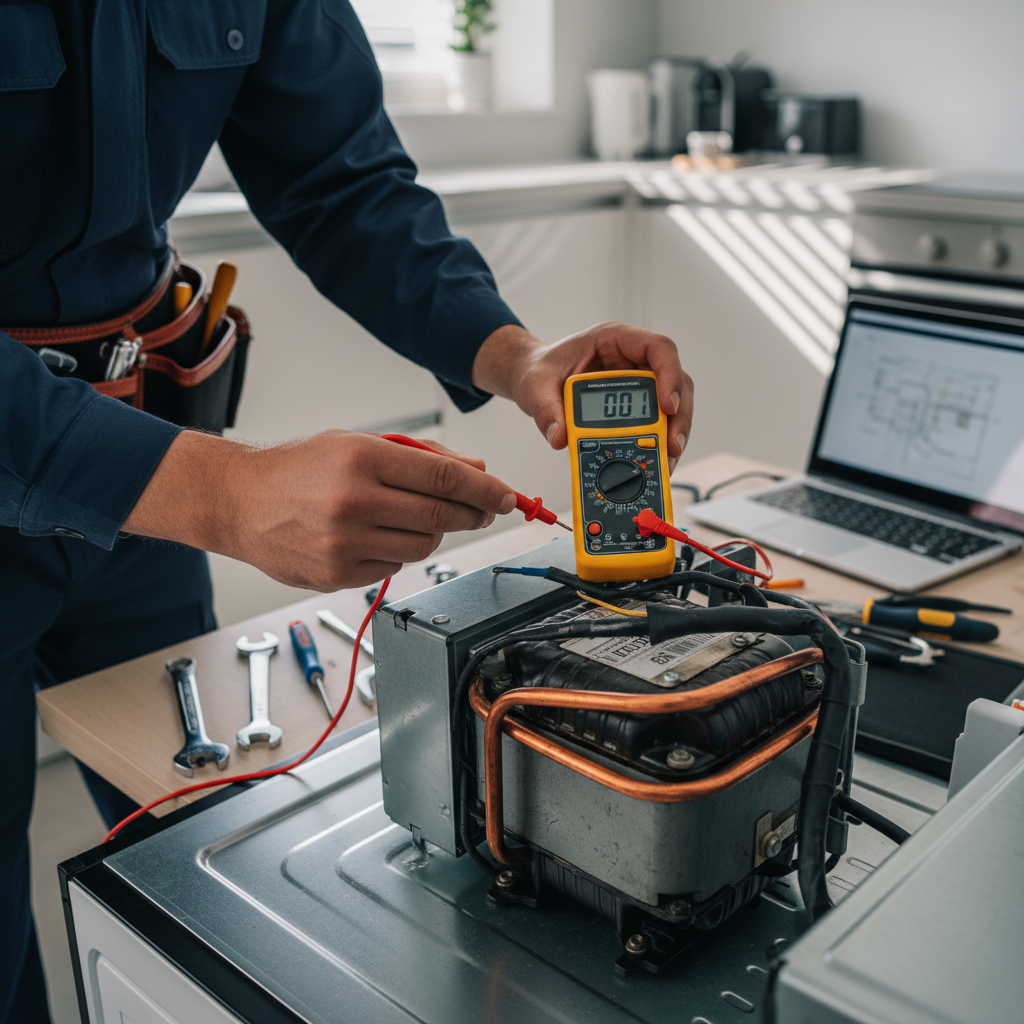
Some repairs are straightforward and safe to handle without professional help. Consider tasks like replacing a washing machine door seal, unclogging a dishwasher, or changing a refrigerator light bulb. These are typically low-risk and can save time and money.
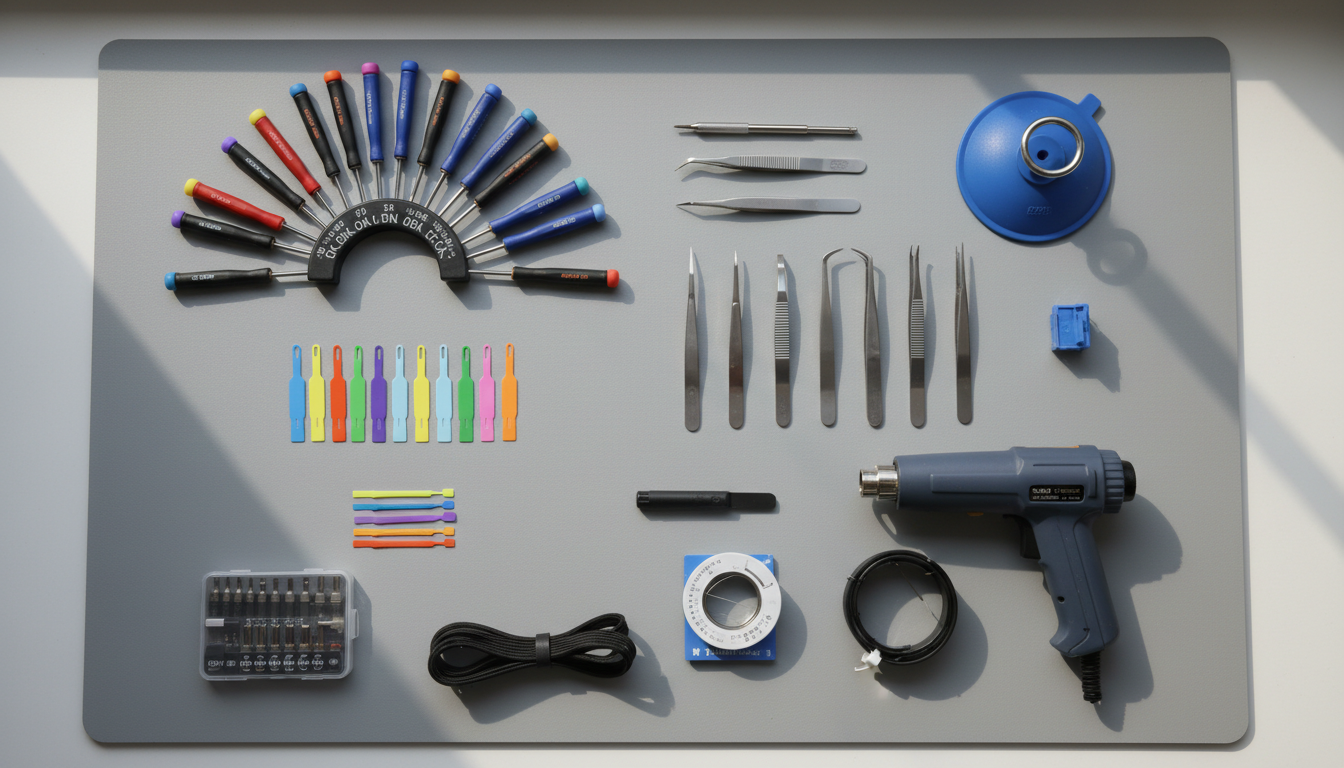
To tackle these DIY tasks, you'll need a few basic tools like screwdrivers, pliers, and a multimeter. Additionally, many appliances come with manuals that provide troubleshooting tips and repair instructions. Online resources, including videos and forums, can also offer guidance.
When Safety is a Concern
Before you begin any repair, it's crucial to consider safety. If the appliance involves gas or electricity, extra caution is necessary. For example, repairing a gas oven or dealing with electrical wiring can be hazardous if you're not experienced. In such cases, it's wise to call a professional to avoid accidents.
When to Call a Professional
There are situations where professional intervention is the best course of action. If the appliance is under warranty, attempting a DIY repair might void it. Additionally, complex issues like refrigerant leaks in air conditioners or motor problems in washing machines often require specialized tools and expertise.
Professionals have the training and equipment to handle these more intricate repairs efficiently. They can also provide a guarantee on their work, offering peace of mind that the job is done correctly.

Balancing Cost and Benefit
Weighing the cost of repair against the price of a new appliance is another important consideration. If a repair is too expensive or the appliance is nearing the end of its lifespan, replacing it might be the better option. Conversely, a minor issue on a relatively new machine is usually worth fixing.
Conclusion
Deciding whether to tackle an appliance repair yourself or call a professional depends on several factors, including the complexity of the repair, safety concerns, and cost-effectiveness. By assessing these elements carefully, you can make an informed decision that saves both money and hassle.
Remember, while DIY repairs can be rewarding, they aren’t always the best choice. Knowing your limits and when to seek professional help is essential for maintaining the appliances that keep your home running smoothly.