
DIY Tips: Fixing Common Appliance Issues at Home
QS
Understanding the Basics of Appliance Repair
Home appliances are essential to our daily lives, making tasks easier and more efficient. However, when they malfunction, it can be frustrating and costly. Learning some basic DIY repair techniques can save you time and money. With a little patience and the right tools, you can address common appliance issues yourself.
Tools You Might Need
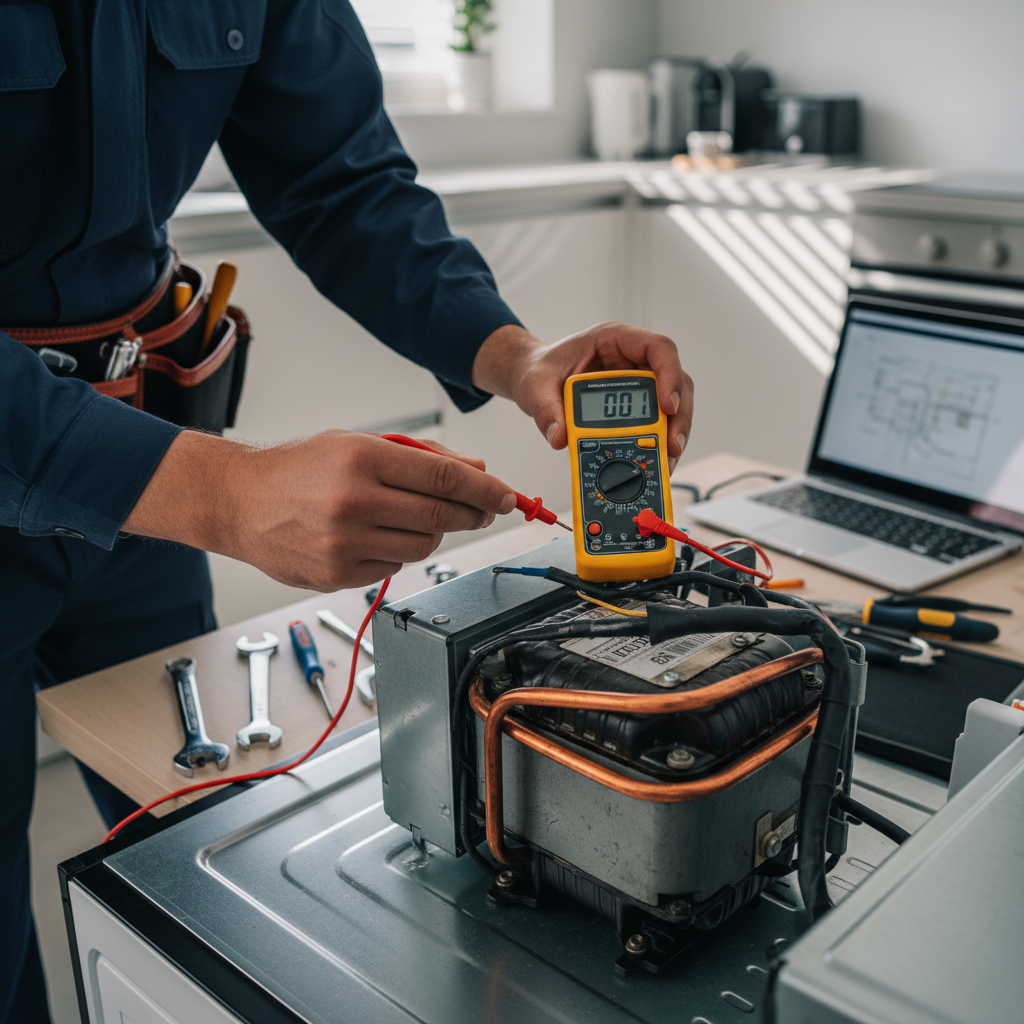
Before diving into repairs, it's crucial to have the right tools on hand. A standard set of tools for appliance repair includes:
- Phillips and flathead screwdrivers
- Multimeter for electrical testing
- Adjustable wrench
- Needle-nose pliers
- Tape measure
Having these tools accessible will make any repair task much easier.
Fixing a Leaky Washing Machine
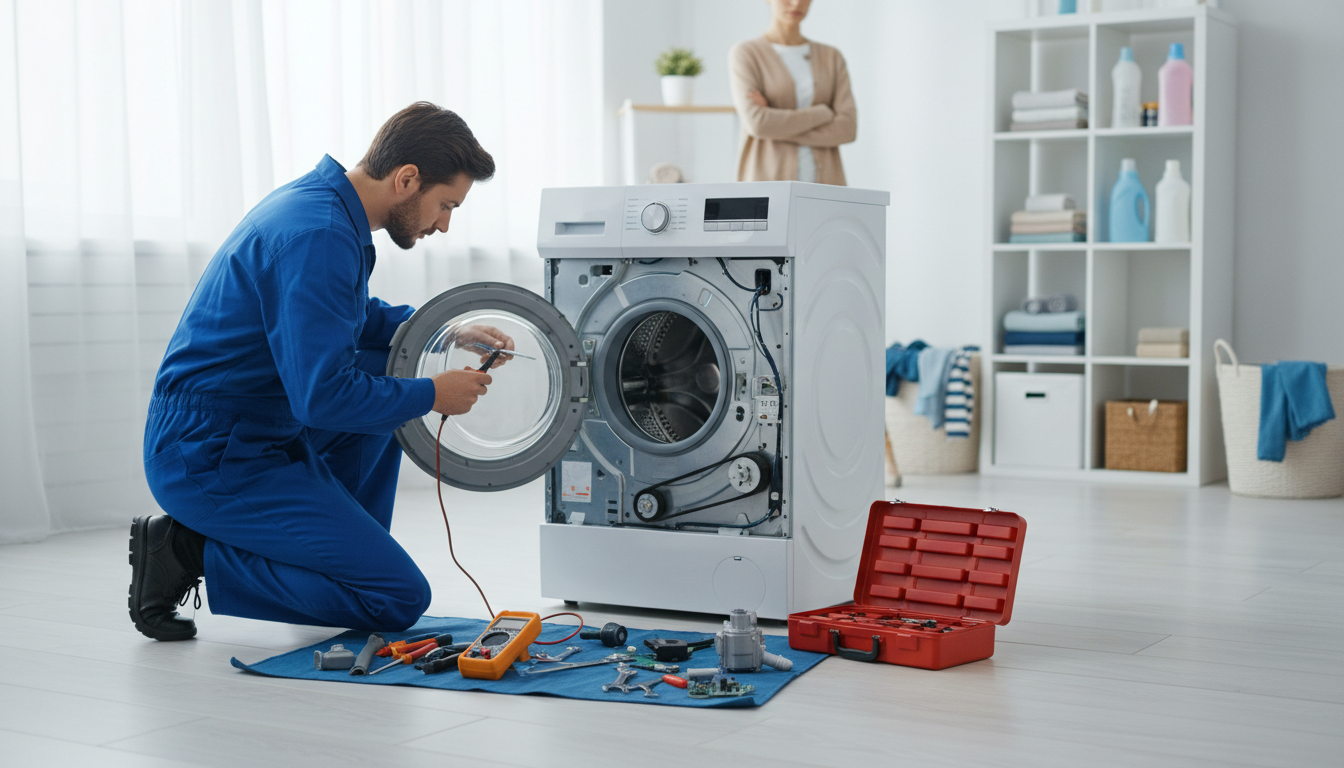
A leaky washing machine can lead to water damage and increased utility bills. To address this issue, start by checking the hoses for any signs of wear or loose connections. Tighten any loose fittings and replace damaged hoses. Also, inspect the door seal for cracks or debris that might prevent it from sealing properly.
Dealing with a Refrigerator Not Cooling
If your refrigerator isn't cooling properly, it could be due to dirty condenser coils. Unplug the fridge and locate the coils, usually found at the back or beneath the unit. Use a vacuum or a soft brush to remove dust and debris. Additionally, ensure the thermostat is set to the correct temperature.
Resolving a Noisy Dishwasher
A noisy dishwasher can be disruptive. First, make sure it's level, as uneven placement can cause vibrations. Check for any loose or damaged parts, such as the spray arms or racks. Tighten any loose screws and replace damaged parts to reduce noise.
Addressing a Gas Stove Igniter Issue
If your gas stove igniter isn't sparking, it might be clogged with food debris. Use a toothbrush or a small brush to clean the igniter. If cleaning doesn't resolve the issue, consider replacing the igniter. Always remember to turn off the gas supply before working on your stove.
When to Call a Professional
While many appliance issues can be fixed with DIY methods, some problems require professional assistance. If you're dealing with complex electrical issues or if a repair seems beyond your skill level, it's best to consult a professional technician. This ensures safety and prevents further damage.

By understanding these basic DIY repair tips, you can tackle many common appliance issues with confidence. Not only will you save money, but you'll also extend the life of your appliances. Happy repairing!