
DIY Tips for Common Appliance Issues: What You Can Fix Yourself
QS
Assessing the Problem: What You Can Fix Yourself
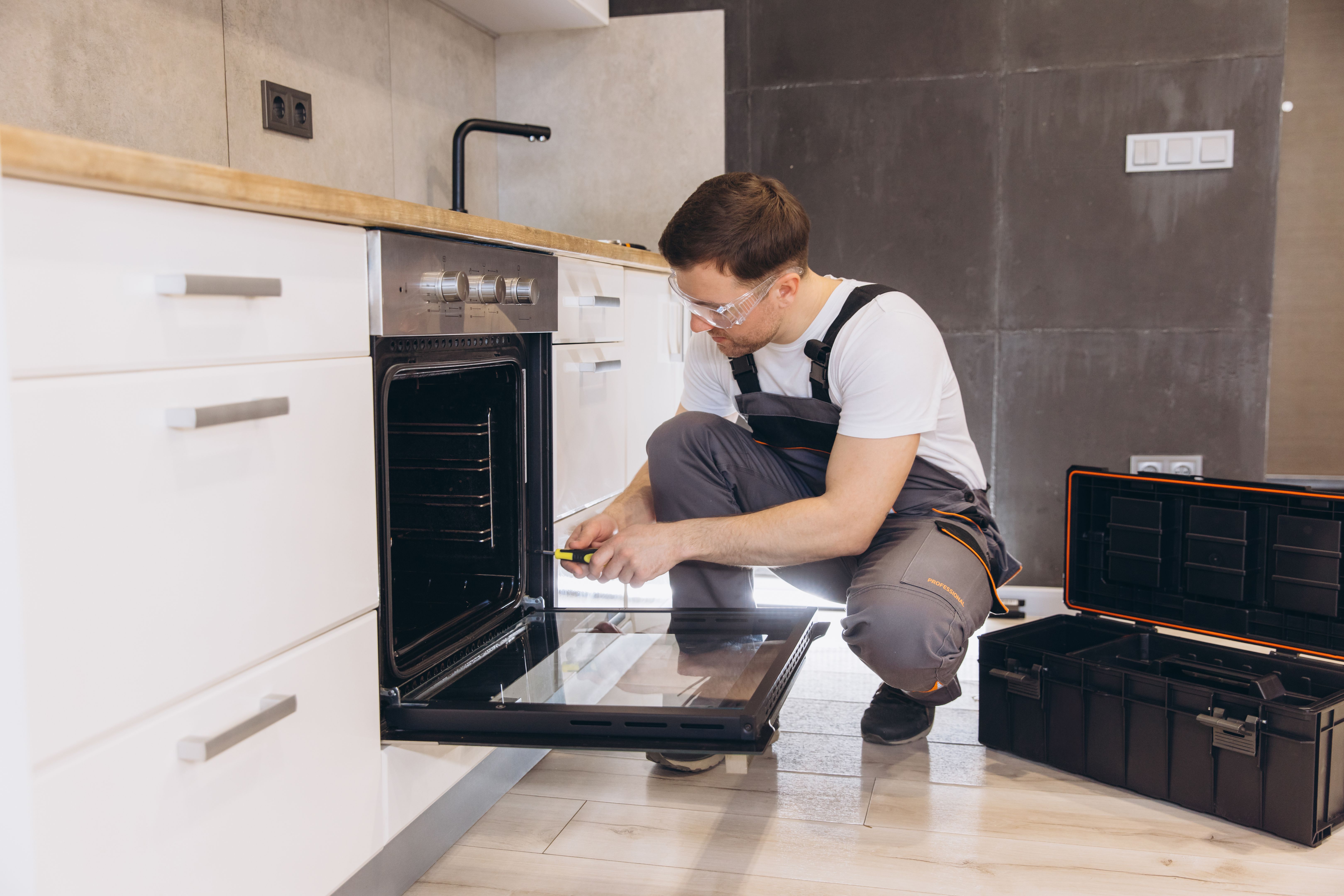
Appliances are integral to our daily routines, and when they malfunction, it can be quite a hassle. However, not every issue requires a professional. Knowing what you can fix yourself can save time and money. Here are some common appliance problems and DIY solutions you can try.
Refrigerator Not Cooling
If your refrigerator isn't cooling properly, the first step is to check the thermostat settings. Sometimes, the dial can be accidentally turned down. If that's not the issue, inspect the condenser coils, typically located at the back or bottom of the unit. Dirty coils can obstruct cooling efficiency, so regular cleaning is essential.
Another potential issue could be the door seal. A damaged or worn-out seal allows cool air to escape, causing the refrigerator to work harder. Check for gaps or cracks and consider replacing the seal if necessary.
Washing Machine Leaks
Leaky washing machines can be a nuisance. Start by checking the hoses for any cracks or loose connections. Tightening the connections or replacing damaged hoses often resolves the issue. Also, ensure that the door seal is intact and free from debris, as this can cause water to leak out during washing cycles.
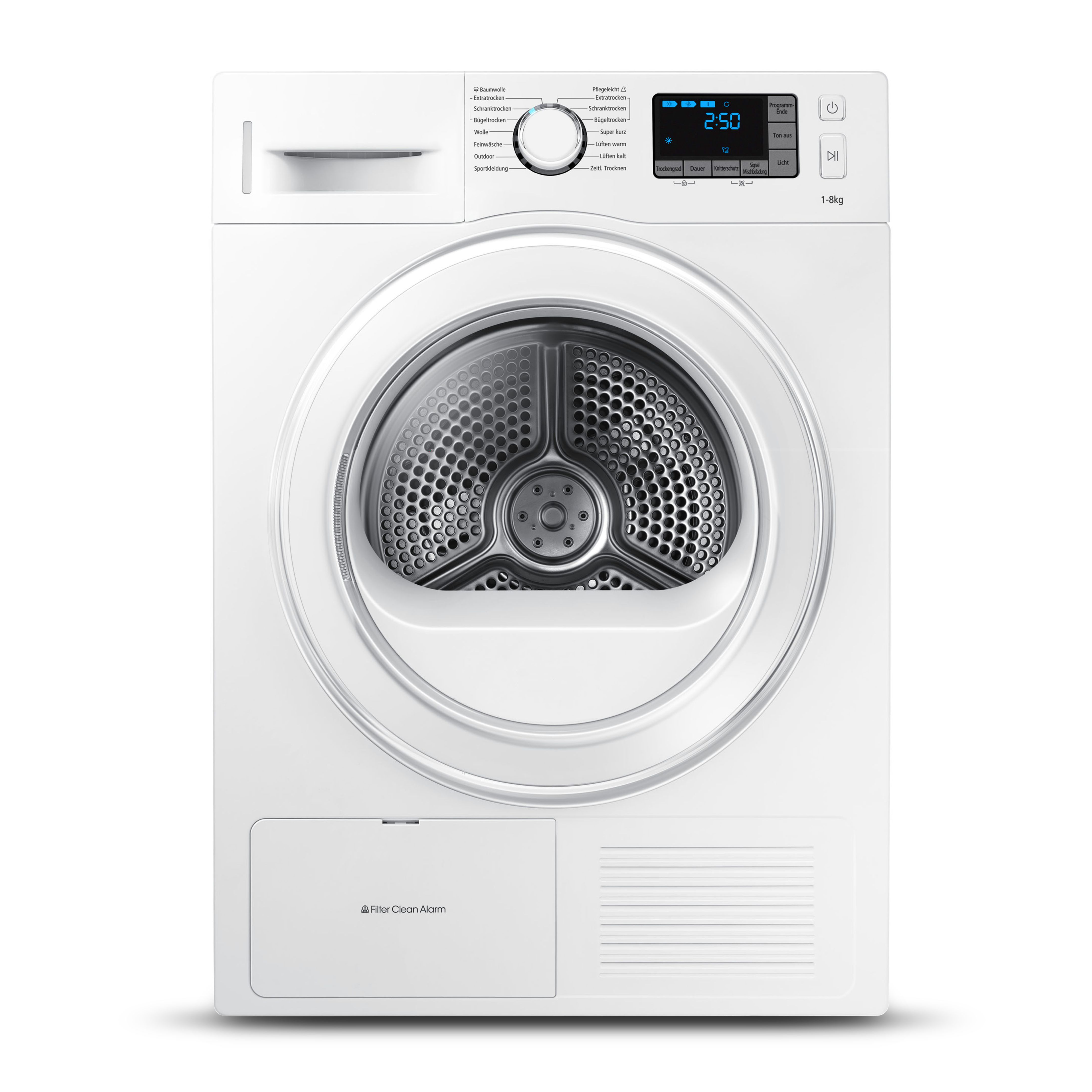
If your machine continues to leak, inspect the detergent drawer. Overfilling can cause water to spill over, leading to leaks. Use the recommended amount of detergent to avoid this problem.
Electric Stove Not Heating
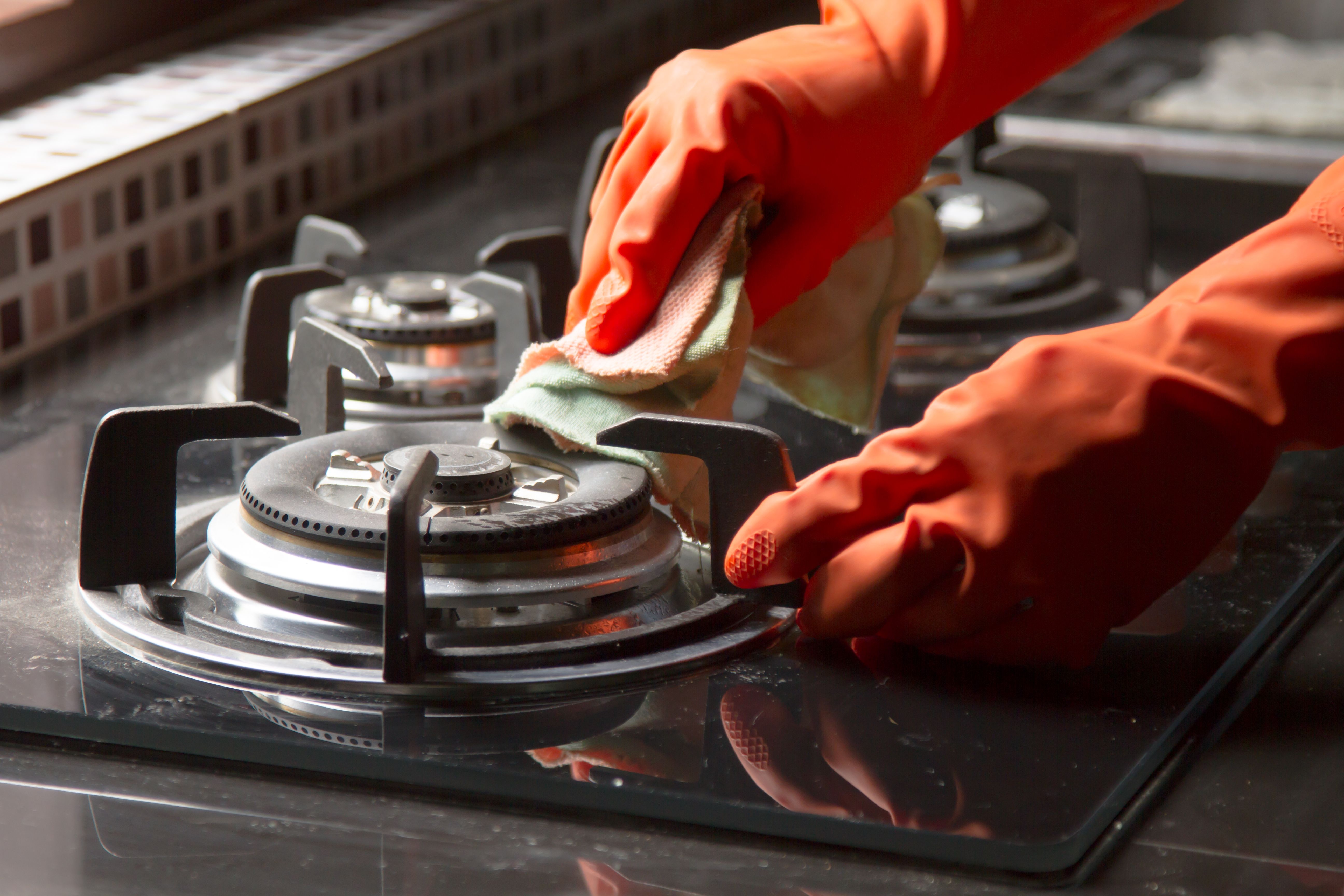
An electric stove that doesn't heat up can disrupt meal preparations. First, ensure that the stove is properly plugged in and that there’s no tripped circuit breaker. If these aren’t the problems, the issue might be with the heating element. Unplug the stove and inspect the element for any visible damage or burns. Replacing a faulty element is often straightforward and can restore your stove’s functionality.
Dishwasher Not Draining
A common issue with dishwashers is improper draining. Start by checking the drain hose for any kinks or obstructions. Often, food particles can clog the filter or drain, so cleaning these components can resolve the problem. Regular maintenance of the filter can prevent future blockages.
If the issue persists, inspect the dishwasher’s air gap. A clogged air gap can prevent proper drainage. Cleaning it with a brush or toothpick can usually solve the problem.
When to Call a Professional
While many appliance issues can be fixed with DIY methods, some problems require professional attention. If your efforts don’t resolve the issue, or if you encounter electrical components that seem beyond your expertise, it’s wise to consult a professional. Ensuring safety should always be the priority.
By tackling minor repairs yourself, you can extend the life of your appliances and avoid unnecessary expenses. Remember to always consult the appliance's manual for specific guidance and safety instructions.