How to Troubleshoot Common Appliance Issues at Home
QS
Identifying the Problem
Troubleshooting home appliance issues can seem daunting, but many problems have simple fixes. The first step in resolving any appliance issue is to identify the problem. Start by observing any unusual noises, leaks, or performance issues. These signs often provide clues to the underlying problem.
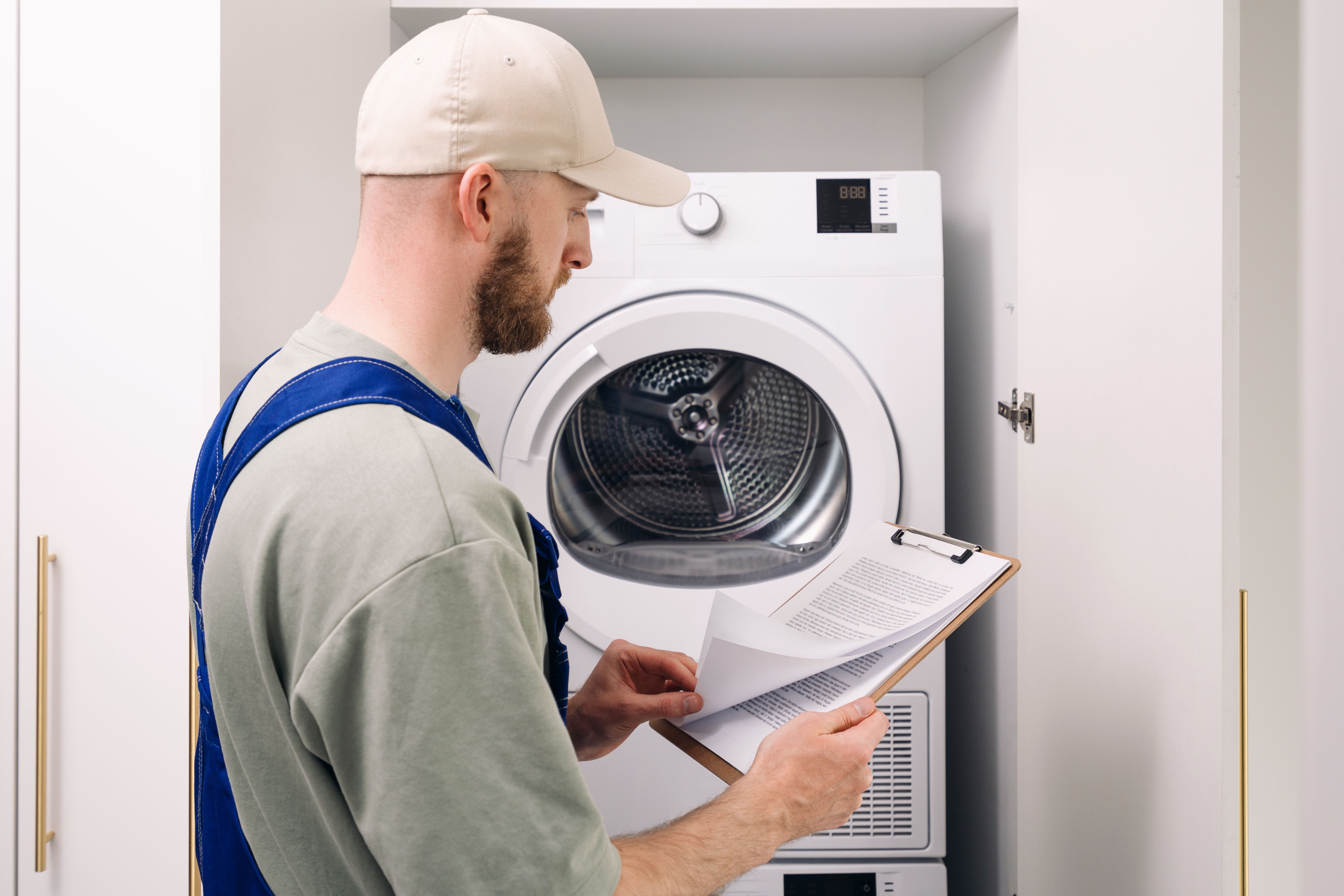
Consider consulting your appliance's manual for troubleshooting tips specific to your model. Often, the manual includes a list of common issues and solutions, saving you time and effort.
Basic Checks and Solutions
Power Supply Issues
One of the most common reasons appliances stop working is a disruption in the power supply. Ensure that the appliance is plugged in and the outlet is functioning. You can test the outlet by plugging in another device. If the outlet isn't working, check your home's circuit breaker or fuse box.
Cleaning and Maintenance
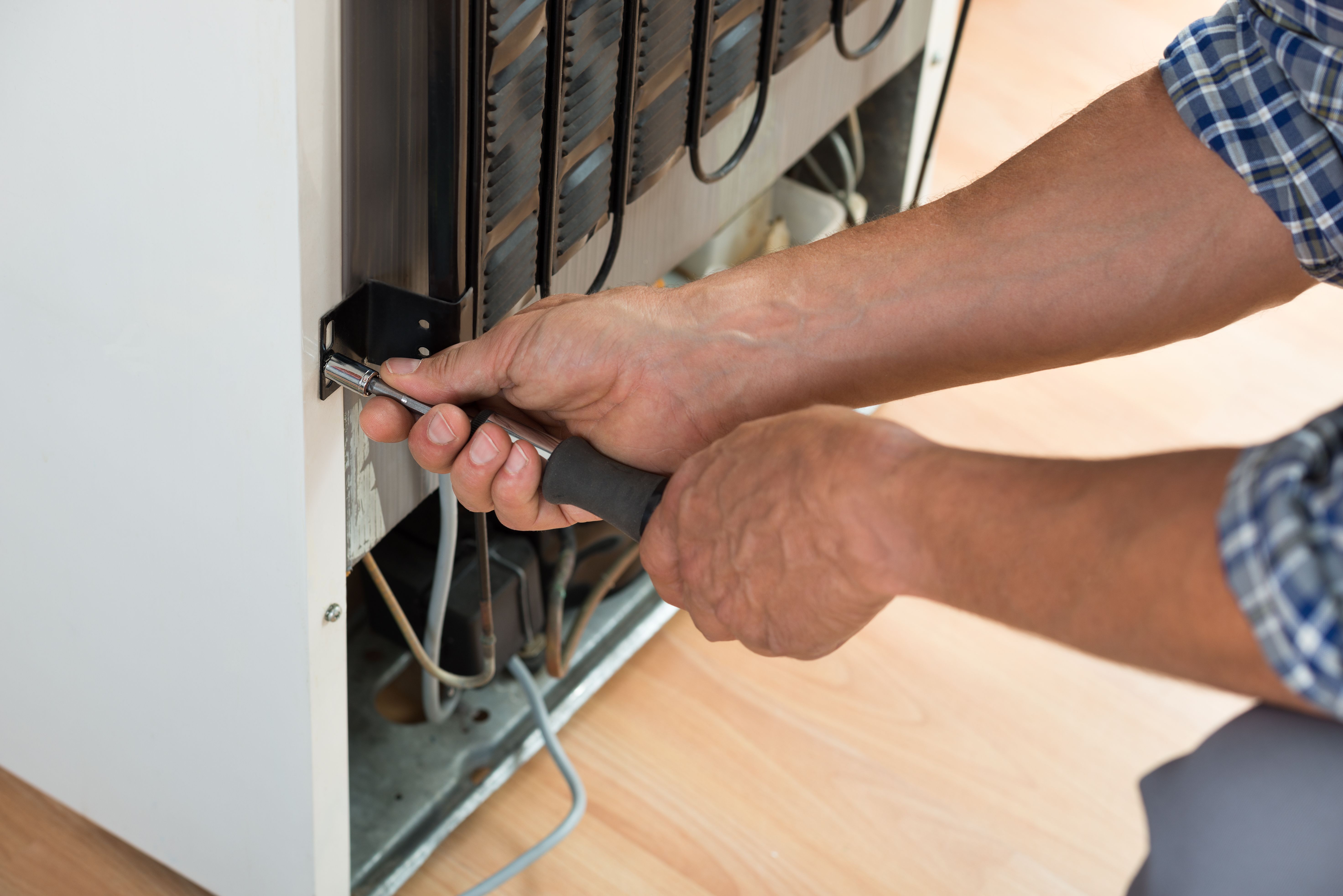
Regular cleaning and maintenance can prevent many common issues. For example, a refrigerator might not cool efficiently due to a buildup of dust on its condenser coils. Similarly, a clogged lint trap in your dryer can cause overheating.
Common Appliance Issues and DIY Fixes
Refrigerator Problems
If your refrigerator isn't cooling properly, check the thermostat settings first. Ensure they haven't been accidentally changed. If the problem persists, inspect the door seals for any gaps. Damaged seals can let cold air escape, reducing efficiency.
- Check the thermostat settings.
- Inspect door seals for gaps.
- Clean condenser coils.
Washing Machine Troubles
Common issues with washing machines include water not draining or the machine not spinning. Check the pump filter for clogs if water isn't draining. If the machine isn't spinning, ensure the load is balanced. An unbalanced load can trigger safety mechanisms that prevent spinning.
- Check the pump filter for clogs.
- Ensure the load is balanced.
- Inspect belts and hoses for wear.
When to Call a Professional
While many appliance issues can be resolved with DIY solutions, some problems require professional attention. If you encounter electrical faults, unusual noises, or persistent issues despite troubleshooting, it may be time to call a professional repair service. Attempting complex repairs without the proper knowledge can be dangerous.
Always prioritize safety and consult a professional when in doubt. This can prevent further damage and ensure your appliances function correctly.