
The Ultimate Guide to Maintaining Energy-Efficient Appliances
QS
Understanding Energy Efficiency
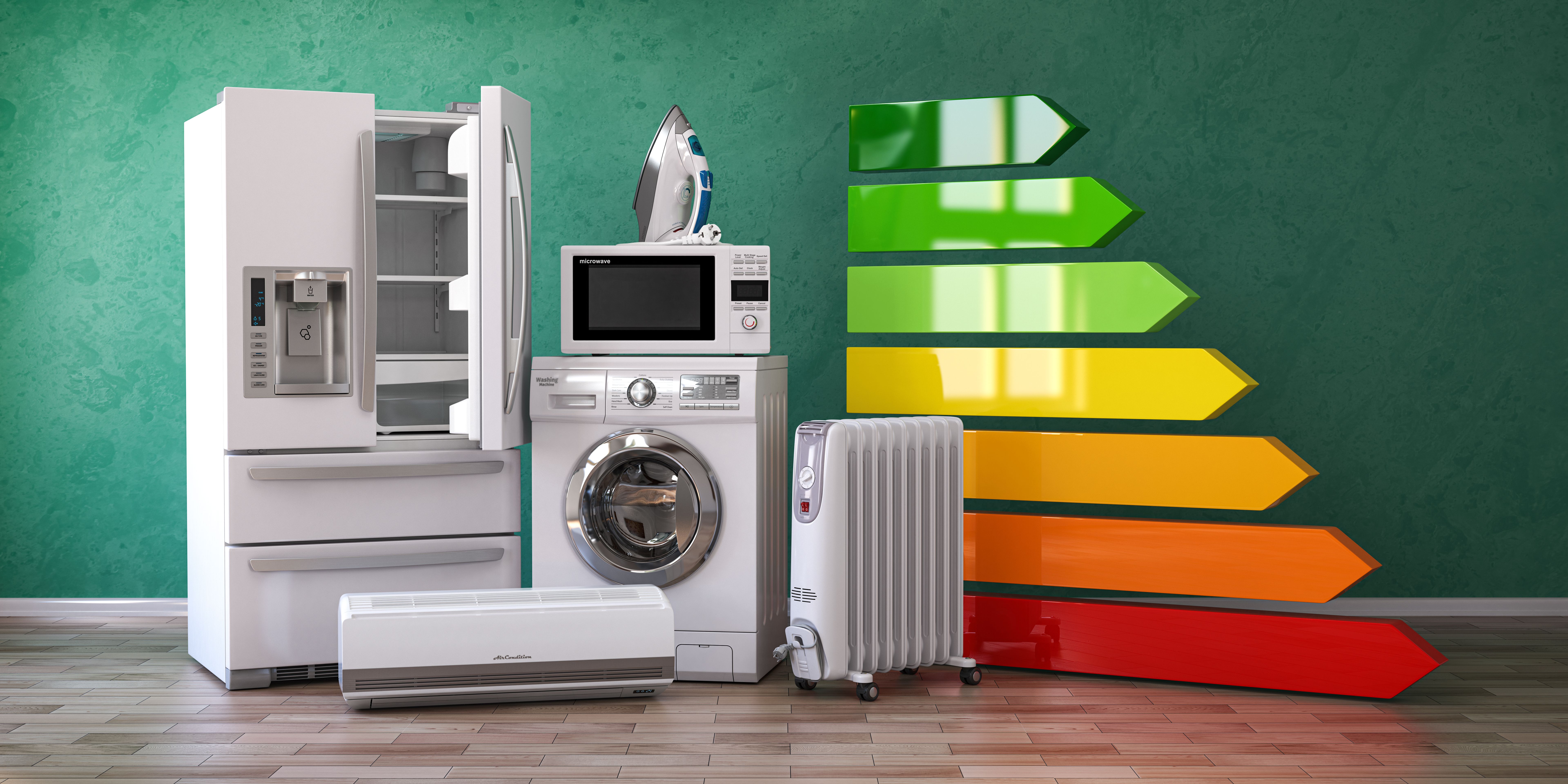
Energy-efficient appliances are a cornerstone of sustainable living. By reducing energy consumption, these appliances help lower utility bills and minimize environmental impact. To truly benefit from their potential, it's crucial to maintain them properly. In this guide, we'll explore the best practices for keeping your energy-efficient appliances in top condition.
Regular Cleaning and Dusting
One of the simplest yet most effective maintenance tasks is regular cleaning. Dust and dirt can accumulate on appliances, reducing their efficiency. For instance, cleaning the coils of your refrigerator can enhance its performance. Similarly, keeping the filters of air conditioners and heaters clean ensures they operate smoothly.
Timely Inspections
Conducting periodic inspections can prevent minor issues from becoming major problems. Check for any unusual noises, leaks, or performance issues. Scheduling an annual professional check-up for appliances like HVAC systems can extend their lifespan and efficiency.
Optimal Usage Practices
How you use your appliances can significantly affect their energy efficiency. For example, running your dishwasher or washing machine with full loads maximizes their efficiency. Avoid overloading, as it can strain the appliance and reduce its lifespan.

Temperature Settings
Adjusting the temperature settings on your appliances can lead to substantial energy savings. For refrigerators, setting the temperature between 37°F and 40°F is ideal. Similarly, setting your water heater to 120°F can save energy without compromising performance.
Power Management
Utilizing power management features can further enhance energy savings. Many modern appliances come with eco-modes or energy-saving settings. Make sure to activate these features to reduce energy consumption.

Long-Term Care Tips
For long-term efficiency, replacing worn-out parts is essential. This includes seals, gaskets, and filters. Keeping these components in good condition prevents energy loss and maintains optimal performance.
Upgrading When Necessary
While maintenance can extend the life of your appliances, eventually upgrading to newer, more efficient models may be necessary. Look for appliances with the ENERGY STAR label, which indicates superior energy efficiency.
Conclusion
Maintaining energy-efficient appliances is not just about saving money; it's about contributing to a healthier planet. By following these guidelines, you can ensure your appliances run efficiently, last longer, and support your commitment to sustainability.